
Anal Fistula Specialist & Doctor in Singapore
Anal fistulas are a painful and often persistent condition that typically requires medical attention from a specialist. If you suspect you have an anal fistula, getting the right care early can improve healing outcomes and reduce the chance of recurrence. Here’s what you need to know about seeking the right doctor and treatment in Singapore.
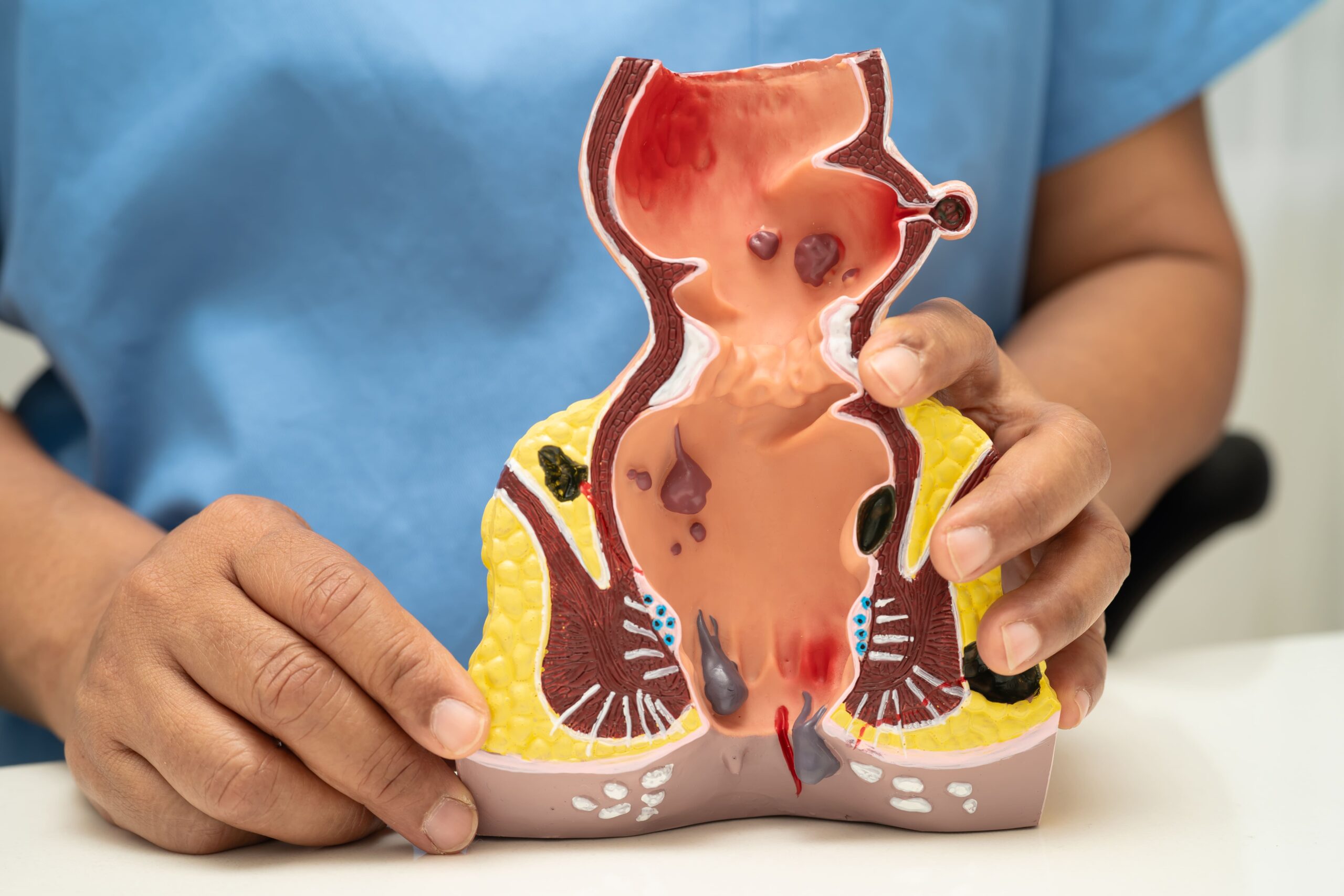
Who Should You See for Anal Fistula Treatment?
Anal fistulas require prompt medical attention to prevent infection, discomfort, and long term complications. These conditions are best managed by a colorectal surgeon, a specialist trained to diagnose and treat disorders of the anus, rectum, and colon, including fistulas of varying complexity.
While general practitioners (GPs) can offer initial evaluation and symptom relief, they are not equipped to perform the detailed assessments or surgical procedures often needed for proper fistula management.
Consulting a colorectal specialist ensures timely diagnosis, appropriate imaging if necessary, and access to definitive treatment, reducing the risk of recurrence or prolonged symptoms.
Why Does Specialist Care Matter for Anal Fistula?
Anal fistulas vary in complexity. Some are straightforward, while others pass through deeper muscle layers and require careful planning to treat. When managed by non-specialists or left untreated, the condition may persist or worsen, increasing the risk of infection, recurrence, and even complications such as incontinence.
Colorectal specialists are trained to evaluate the fistula comprehensively. They use imaging and examination to map the fistula tract, determine its classification, and decide on the most suitable treatment, whether surgical or non surgical. Most importantly, they aim to preserve sphincter function while eliminating the fistula, balancing effectiveness with safety.
Specialist care reduces the likelihood of incomplete treatment and helps prevent recurrence, giving patients a better chance at full recovery with fewer interventions.
How Anal Fistula Treatment Works in Singapore
Anal fistula treatment in Singapore begins with a consultation at a specialist clinic. During this appointment, your colorectal surgeon will evaluate your symptoms, perform a focused examination, and decide whether further imaging is needed.
Depending on the complexity of the fistula, diagnostic investigations such as MRI, endoanal ultrasound, or examination under anaesthesia may be recommended. These help map the fistula tract, identify any secondary branches, and assess how much of the surrounding muscle is involved. Accurate diagnosis is critical for planning effective treatment.
Treatment options range from surgical procedures to minimally invasive techniques. Common surgical approaches include fistulotomy, seton placement, advancement flap surgery, the LIFT procedure, and fistulectomy. Minimally invasive methods such as FiLaC, VAAFT, or fistula plugs may be used for selected cases. Non-surgical measures like antibiotics or stool softeners may help relieve symptoms or support preoperative care in complex cases, but they do not result in long term closure.
Care is typically provided at specialist colorectal clinics and day surgery centres. These facilities are equipped to perform both diagnostic procedures and surgical interventions safely. Most surgeries are carried out as same day procedures under general or regional anaesthesia, allowing patients to return home on the same day.
Your Next Step — Speak to a Specialist Clinic in Singapore
If you suspect you have an anal fistula or are experiencing persistent symptoms, seek medical attention early. A consultation with a qualified colorectal specialist provides an accurate diagnosis and appropriate management plan.
Timely treatment reduces the risk of complications and recurrence. Getting the right care from the start helps support better outcomes and recovery.
Frequently Asked Questions
Do all anal fistulas require surgery?
Not all cases require immediate surgery. Some superficial fistulas may be managed conservatively, but the majority will need surgical intervention to achieve complete healing.
When should I consult a doctor for an anal fistula?
You should consult a specialist as soon as you notice persistent discharge, pain, or have a history of anal abscesses. Early evaluation can help prevent complications and guide appropriate treatment.
What type of doctor should I see for an anal fistula?
A colorectal surgeon is the most appropriate specialist to diagnose and manage anal fistulas. They are trained to assess the complexity of the condition and recommend suitable treatment.