
Anal Fistula Diagnosis in Singapore: EUA, MRI & Ultrasound
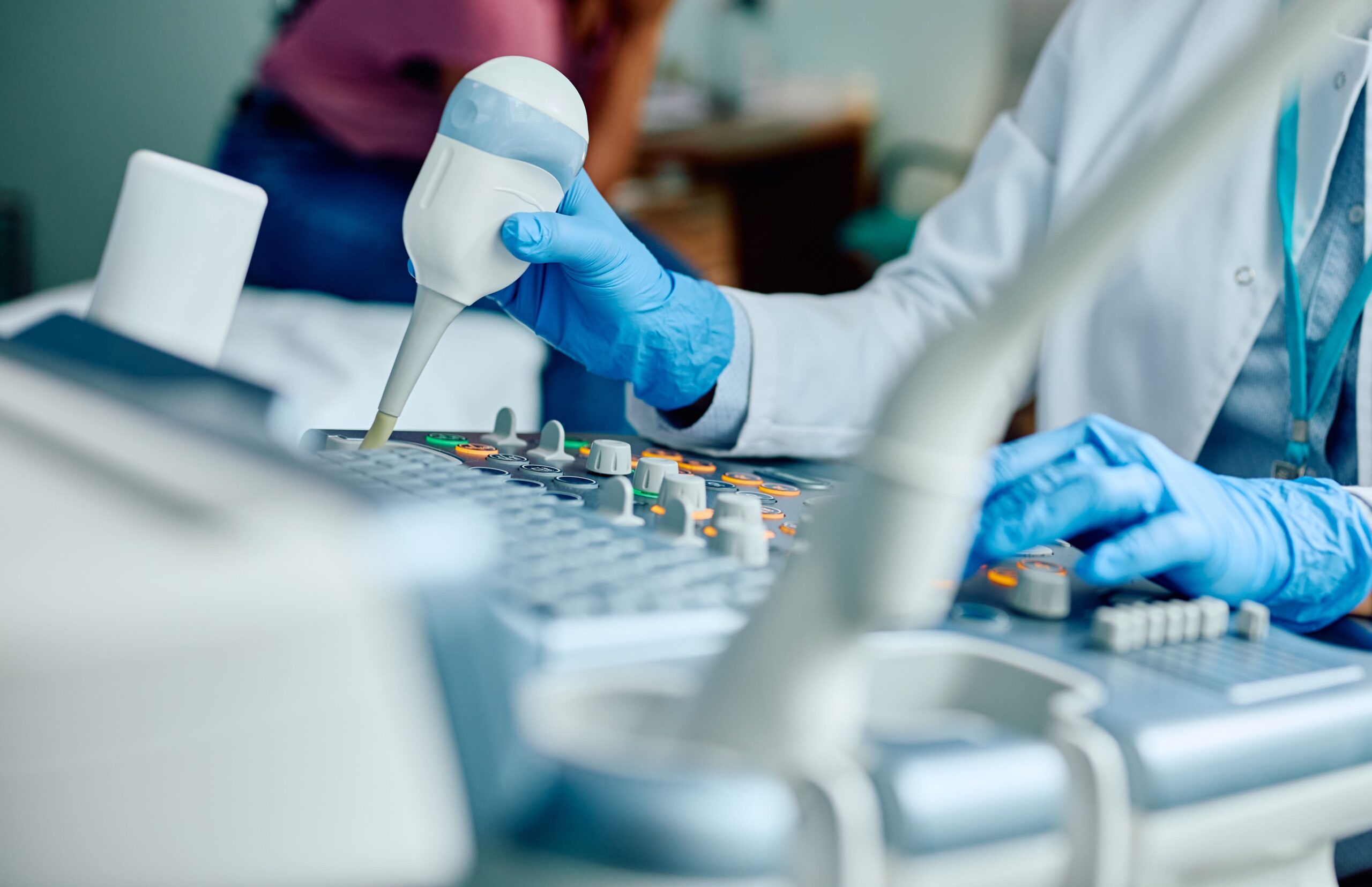
Anal fistula diagnosis involves a combination of tests to locate the fistula, understand its pathway, and assess its relationship to nearby muscles. A colorectal surgeon in Singapore may recommend an examination under anaesthesia (EUA), MRI scans, or ultrasound to clearly map the fistula and guide treatment planning. These tests help ensure the safest and most effective approach to treating the condition while reducing the risk of complications or recurrence.
When is Anal Fistula Diagnosis Recommended in Singapore?
Your colorectal surgeon may recommend these diagnostic procedures in several situations:
Suspected anal fistula with unclear anatomy
When physical examination suggests a fistula but the complete pathway cannot be determined through office examination alone.
Recurrent or persistent symptoms
Patients experiencing ongoing pain, discharge, or swelling around the anal area that may indicate an underlying fistula tract.
Complex or high fistula presentation
Cases where initial assessment suggests the fistula may involve deeper muscle structures or multiple pathways requiring mapping.
Previous fistula surgery with ongoing issues
Patients who have had fistula treatment but continue to experience symptoms, suggesting incomplete healing or recurrence.
Multiple external openings
When several skin openings are present around the anal area, indicating a potentially complex fistula network requiring assessment.
Pre-surgical planning requirements
Before any fistula repair procedure to ensure complete understanding of the anatomy and plan the surgical approach.
Benefits of Anal Fistula Diagnosis
Accurate diagnosis is an important first step in effectively treating an anal fistula. Using a combination of tests such as EUA, MRI, and ultrasound provides several benefits:
Clear mapping of the fistula: These tests help your doctor see the full path of the fistula, including any hidden branches that might be missed with a single test.
Planning treatment that protects muscle function: Imaging shows how close the fistula is to the anal muscles, allowing the surgeon to plan a procedure that reduces the risk of affecting bowel control.
Lower chance of incomplete treatment: By clearly identifying all fistula pathways before surgery, your surgeon can treat the entire problem at once, reducing the chance of ongoing symptoms or recurrence.
Choosing the right treatment for your condition: With detailed information from the scans, the surgeon can select the most suitable procedure, whether simple or more complex.
Better understanding of your condition: A thorough diagnosis gives you a clearer picture of what to expect and helps you feel prepared for the treatment process.
Diagnostic Process for Anal Fistula in Singapore
Depending on the complexity of your condition, your colorectal surgeon in Singapore may recommend different diagnostic methods to assess an anal fistula. Below is what to expect during each procedure:
Examination Under Anaesthesia (EUA)
EUA is performed in an operating theatre under general anaesthesia to allow a thorough and pain-free assessment of the fistula tract.
- Carried out in a surgical setting under general anaesthesia.
- Allows the surgeon to carefully inspect the area and probe the fistula tract without causing discomfort.
- The direction, depth, and any secondary branches of the fistula can be assessed during the procedure.
- Mapping of the fistula is done to guide treatment planning.
- Patients are monitored in the recovery area after the procedure before being discharged.
MRI for Anal Fistula Diagnosis
Magnetic Resonance Imaging (MRI) provides detailed images of the soft tissues and fistula tract to assist with diagnosis and surgical planning.
- Performed at a medical imaging centre, typically as an outpatient procedure.
- No anaesthesia is required unless combined with EUA.
- You will lie still inside the scanner while images of the pelvic area are taken.
- Provides high-quality images that show the fistula’s pathway and its relationship to surrounding muscles.
- There is no recovery time needed beyond the imaging appointment.
Endoanal Ultrasound
Endoanal ultrasound uses sound waves to create images of the tissues around the anal canal and can help identify abnormal fistula tracts.
- Typically done in a clinic or diagnostic centre.
- May be performed with mild local anaesthesia or no anaesthesia, depending on patient comfort.
- Involves inserting a small probe into the anal canal to create images of the tissues.
- Visualises the sphincter muscles and nearby fistula pathways.
- Less invasive than EUA, with minimal recovery required.

What to Expect After Anal Fistula Diagnosis in Singapore
Diagnostic procedures for anal fistula are generally safe and well-tolerated. A colorectal and general surgeon in Singapore will take all necessary precautions to ensure your comfort and reduce any potential risks. Most patients experience little to no discomfort after these tests.
In some cases, you may notice:
- Mild soreness or sensitivity around the anal area, which usually settles within a day or two.
- Minor bleeding from gentle probing of the fistula during EUA, which resolves on its own.
- Rare side effects from anaesthesia, such as drowsiness or nausea, if EUA is performed.
Serious complications are uncommon, and your medical team will provide clear instructions on how to care for the area and when to seek medical advice if needed.
Frequently Asked Questions
How long do the diagnostic procedures take?
Examination under anaesthesia typically takes 20-30 minutes, whilst MRI scans require about 30-45 minutes. Endoanal ultrasound is usually completed within 15-20 minutes.
Will I need to take time off work?
Most patients can return to desk-based work the day after their diagnostic procedures. If your job involves heavy lifting or strenuous physical activity, you may need one additional day of rest following examination under anaesthesia.
Can I eat normally after the procedures?
Yes, you can resume your normal diet immediately after the diagnostic procedures, unless you experience any nausea from the anaesthetic. Starting with light foods is often most comfortable.
What happens if I have ongoing symptoms after diagnosis?
If you continue to experience symptoms such as pain or discharge after the diagnostic procedures, this information helps your colorectal surgeon to understand your condition better. The symptoms themselves are related to the underlying fistula rather than the diagnostic process.
How soon will I know the results?
Results from examination under anaesthesia are typically available immediately, whilst MRI and ultrasound reports usually take 1-2 days to be completed. Your surgeon will discuss all findings during your follow-up consultation.